Borewell Drilling Processes
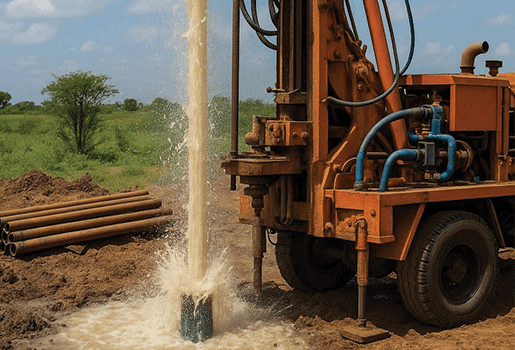
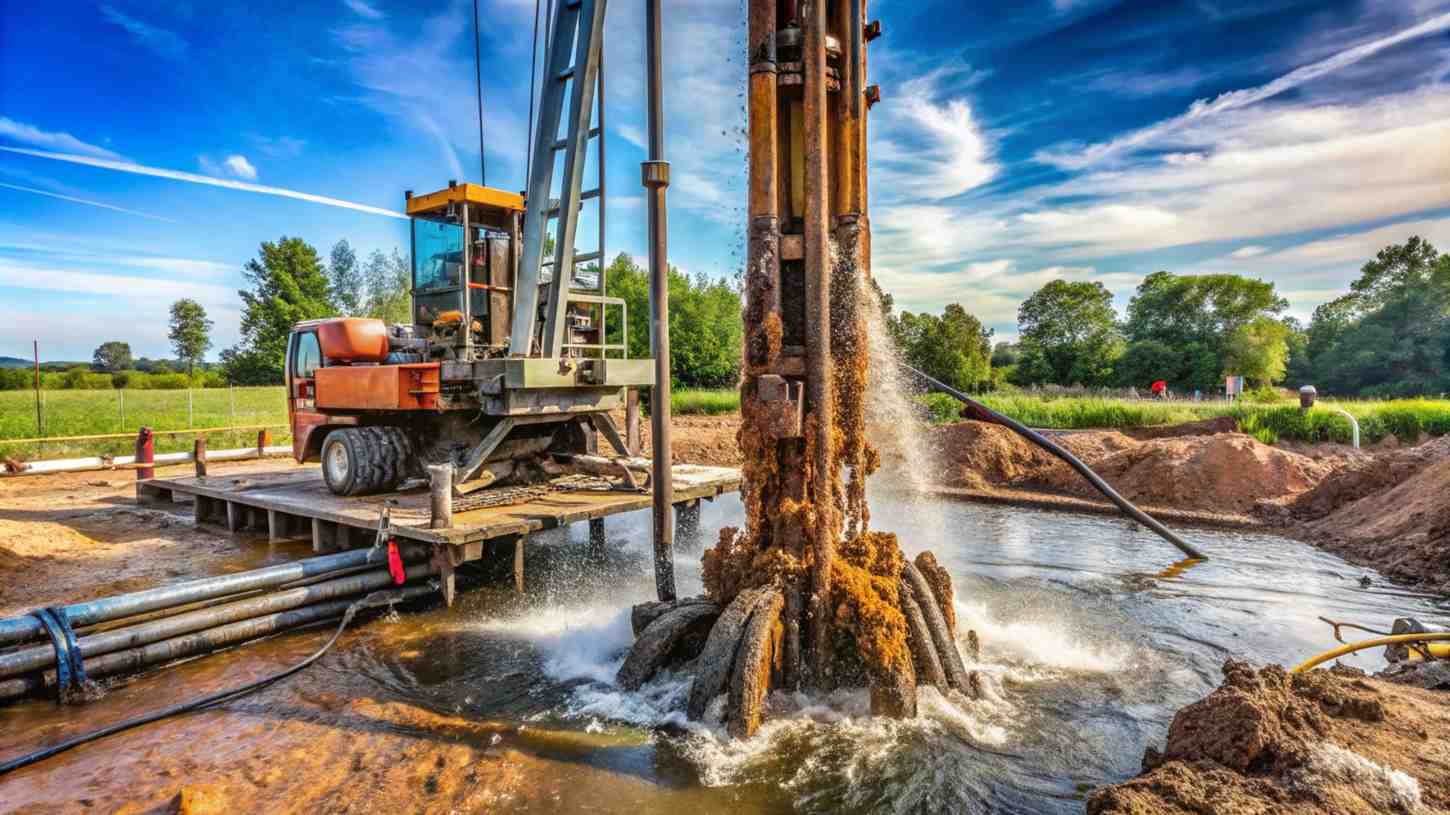
We follow a systematic and professional borewell drilling process to ensure accurate execution, maximum water yield, and long-term performance. Each step is carefully carried out using advanced equipment and expert supervision.
Pilot Bore
The process begins with a pilot bore, where a small-diameter hole is drilled to identify the exact drilling path and underground conditions. This step helps in assessing soil and rock layers before full-scale drilling.
Reaming
In this stage, the pilot bore is widened using specialised tools to achieve the required borewell diameter. Reaming ensures proper space for casing pipes and improves overall borewell structure.
Casing
High-quality casing pipes are installed to prevent the borewell walls from collapsing. This step also protects the water source from contamination and ensures long-term durability.
Slotting
Slotting is done in the casing pipes to allow groundwater to enter the borewell. These slots are carefully designed to filter out sand and debris while maintaining proper water flow.
Gravel Packing
Gravel is filled around the casing pipes to act as a natural filter. This improves water quality, prevents fine particles from entering, and enhances the efficiency of the borewell.
Yield Test
A yield test is conducted to measure the water output of the borewell. This helps determine the capacity and performance of the borewell for residential, agricultural, or industrial use.
Electro-Logging
Electro-logging is used to analyse underground water zones and geological formations. This helps in identifying the best water-bearing layers and optimising borewell performance.
Cleaning
The final step involves cleaning the borewell to remove debris and ensure smooth water flow. This prepares the borewell for pump installation and regular usage.